North Coast
How North Coast season pricing actually works
Why two quotes for the same compound can look nothing alike, and what to ask before you agree a price.
HOMESOUT4 min readLast reviewed: 2026-08-26
Ask three owners what a chalet on the North Coast costs and you will get three answers in three different units: one per night, one for "half season", one for the whole summer. None of them is being evasive. The coast has simply never settled on a single way to sell time, and the result is a market where quotes cannot be compared without translating them first.
The season block: where the confusion starts
The oldest way to rent on the coast is the season block. An owner who uses the chalet for a few weeks lets it for the rest of the summer to one family, in one transaction, for one lump sum. That habit is where "الموسم كامل" (full season) and "نص موسم" (half season) come from, and it is still how a great deal of coastal inventory changes hands — especially in the older villages, and especially through personal networks rather than listings.
The trap is that neither term has a standard definition. There is no body that sets the dates, no convention every compound follows, and no rule about where the summer gets cut in half. One owner's "half season" is six weeks; another's is two months starting at a different point. When you are handed a lump sum, the single most useful thing you can do is stop discussing the number and establish the dates it covers — because until you know that, you cannot divide it into anything comparable.
Why the summer is not one price
The coastal season builds through early summer, peaks in the hottest months, and empties out quickly at the end. Layered on top of that are the two things that move prices hardest: public and Eid holidays, when the whole of Cairo appears to move west at once, and the Egyptian weekend, which runs Friday and Saturday and turns Thursday into a departure day. A Thursday-to-Saturday booking in peak season and the same three nights in early June are not the same product, and no honest pricing model treats them as one.
This is why a single "price per night" for a coastal chalet is nearly always a simplification. Where you see one flat figure quoted for the entire summer, it usually means either the rate has been averaged, or the quote is for a season block that has been divided for you.
How it works when you book with us
HOMESOUT sells nights, not season blocks. You pick dates, you see what those specific nights cost, and the rate moves with the season rather than sitting at one number all year. That is why the homes on our compound pages show a range rather than a single headline figure — the low end and the high end are both real prices for real dates, and quoting only the low one would be a lie of omission.
On top of the accommodation cost, HOMESOUT adds a 12% guest service fee. It appears in the price breakdown before you pay, never afterwards. Some homes also carry a cleaning fee; many of ours do not, and where that is the case the compound page says so explicitly rather than leaving you to discover it at checkout.
What that looks like in practice
Our own North Coast inventory, with live nightly rates. The spread between the cheapest and the dearest night on the same home is the seasonal pricing described above, not a typo.
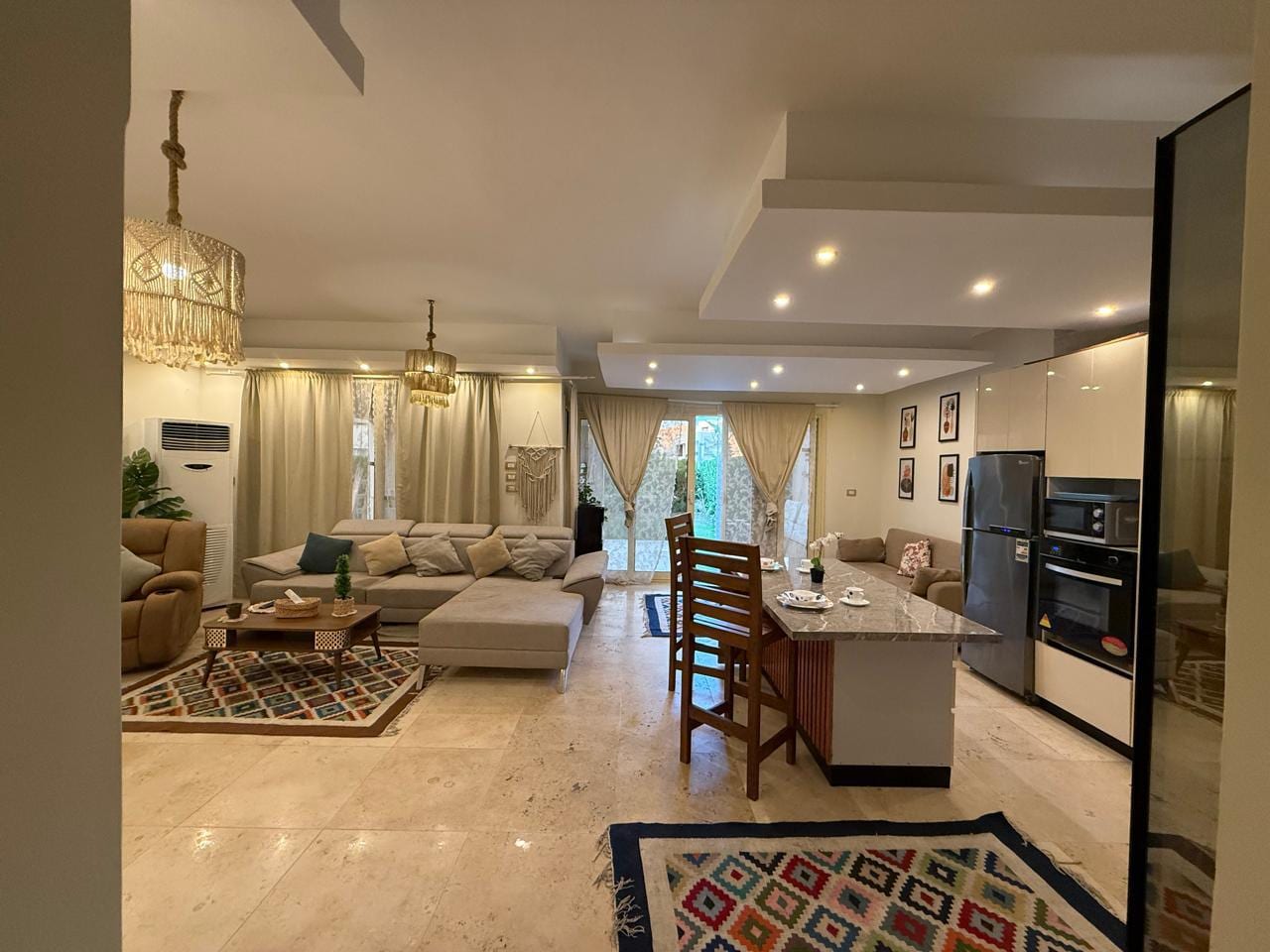 ChaletPoolside Luxury Chalet — Hacienda Bay3 bedrooms · 3 bathrooms · sleeps 6from EGP 14,000 per night
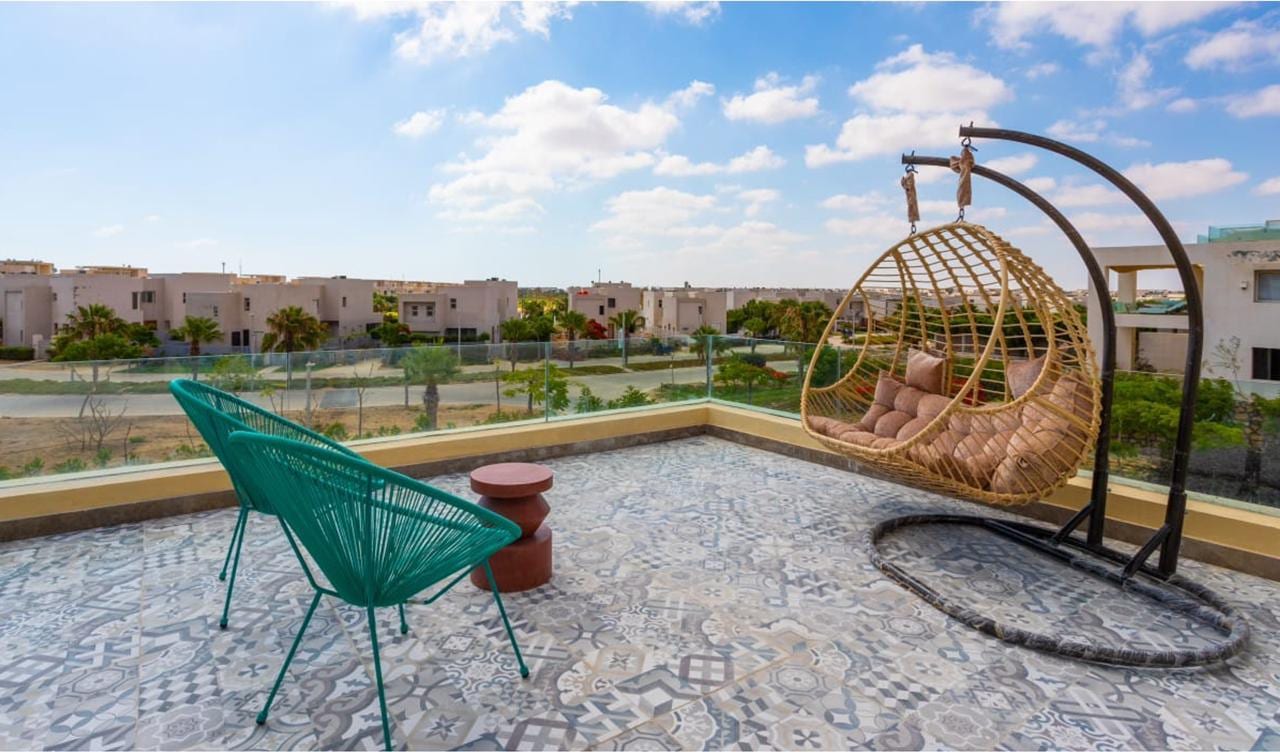 ChaletUpper-Floor Chalet with Penthouse Terrace — Hacienda Bay4 bedrooms · 4 bathrooms · sleeps 8from EGP 15,000 per night
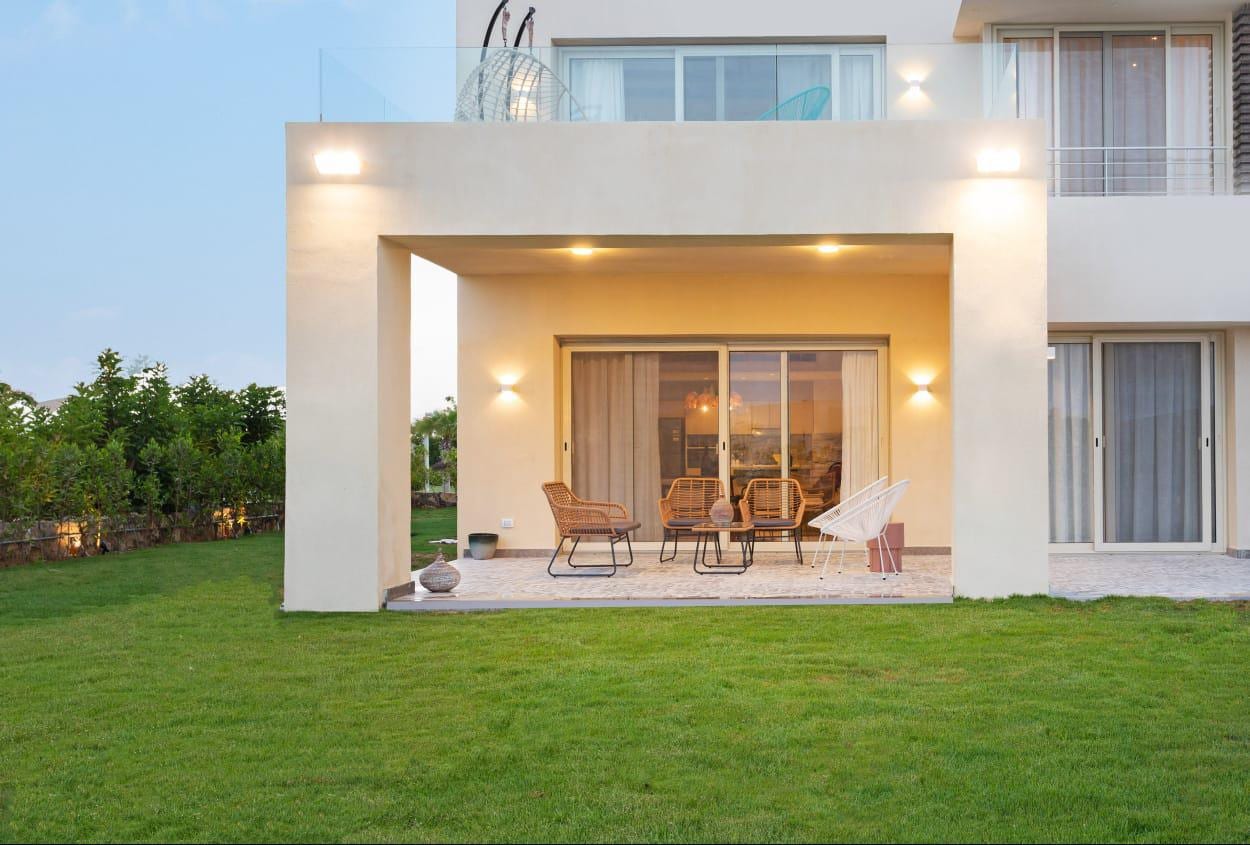 ChaletGround-Floor Senior Chalet — Hacienda Bay3 bedrooms · 3 bathrooms · sleeps 6from EGP 15,000 per night
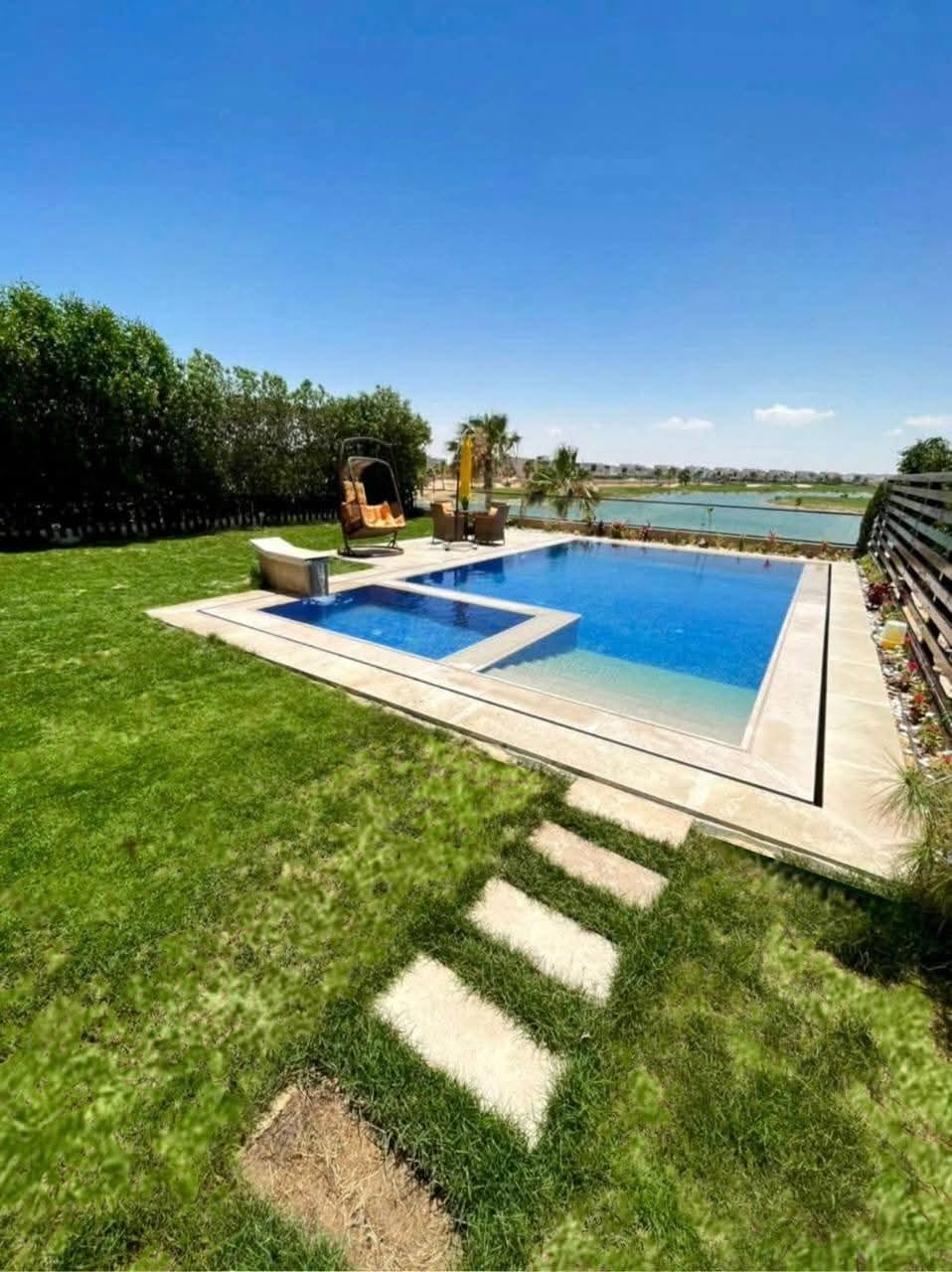 ChaletLakefront Golf Chalet with Private Pool — Hacienda Bay3 bedrooms · 3 bathrooms · sleeps 6from EGP 23,000 per night
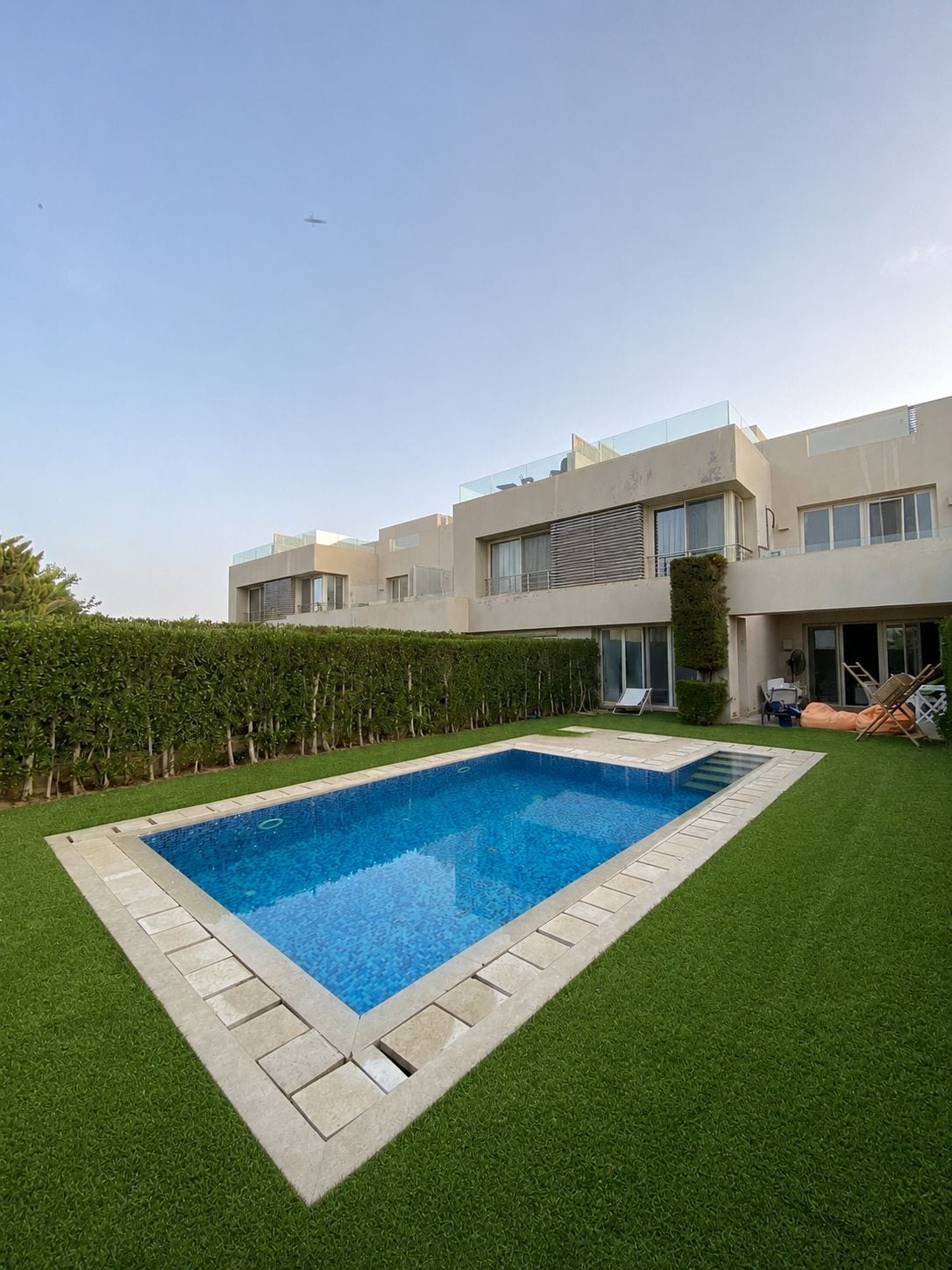 TownhouseFive-Bedroom Townhouse with Private Pool — Hacienda Bay5 bedrooms · 6 bathrooms · sleeps 10from EGP 25,000 per night
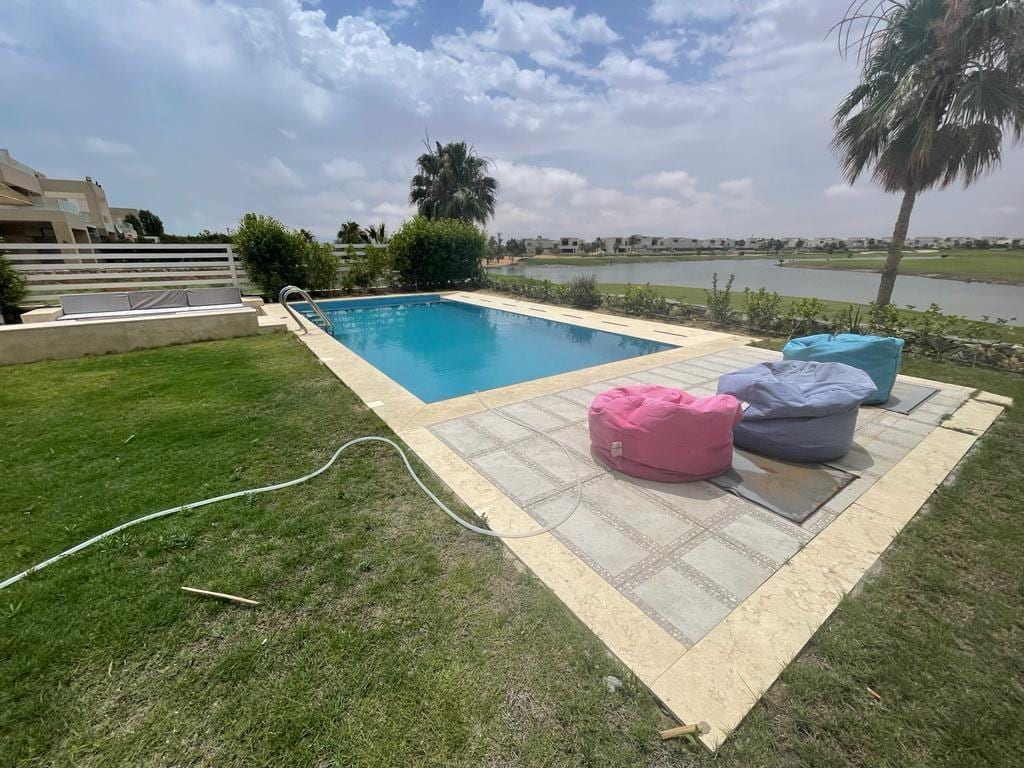 ChaletGolf & Lake View Chalet with Private Pool — Hacienda Bay3 bedrooms · 3 bathrooms · sleeps 6from EGP 23,000 per night
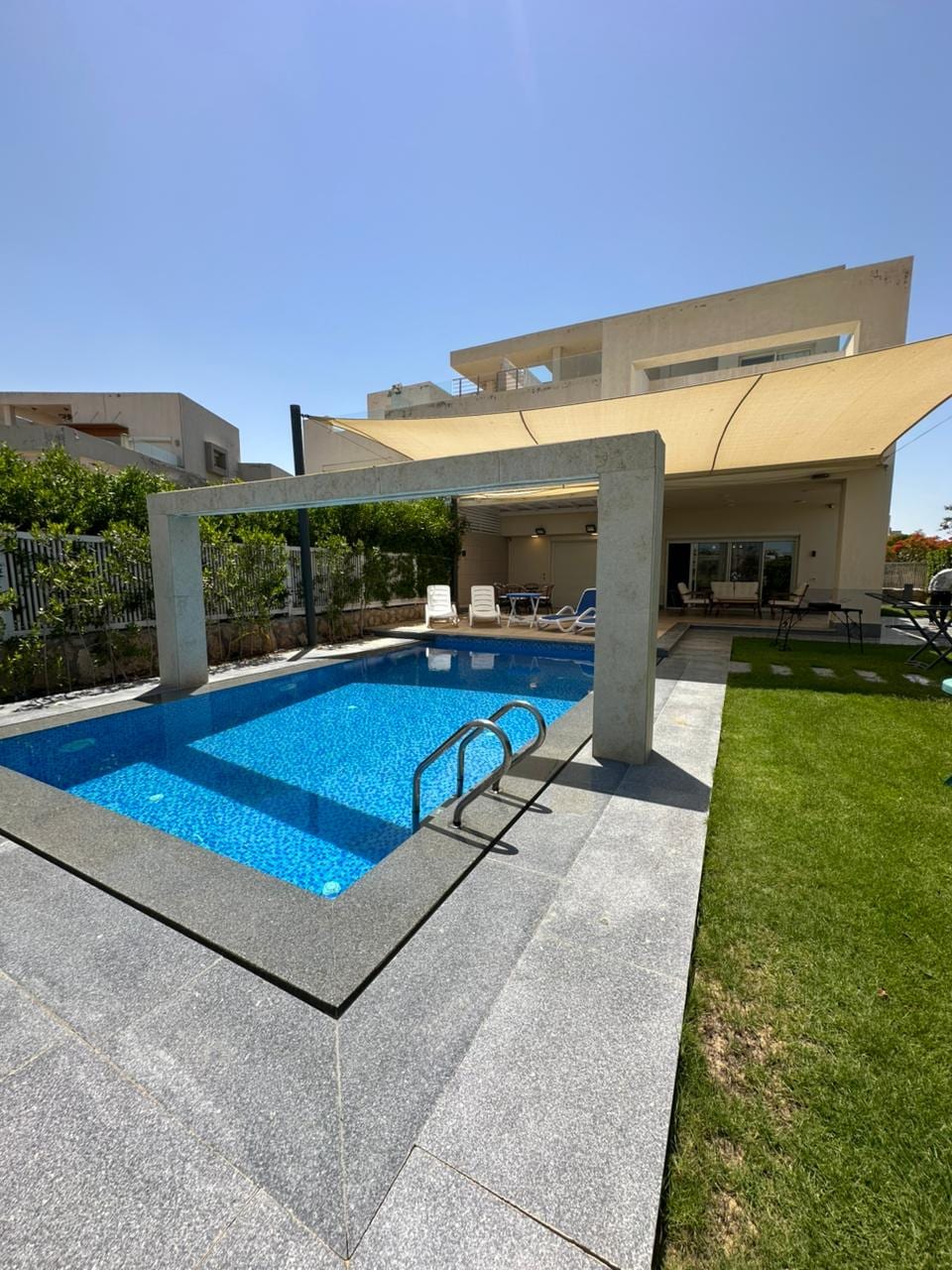 ChaletLuxurious Golf Chalet with Private Pool — Hacienda Bay3 bedrooms · 3 bathrooms · sleeps 6from EGP 22,000 per night
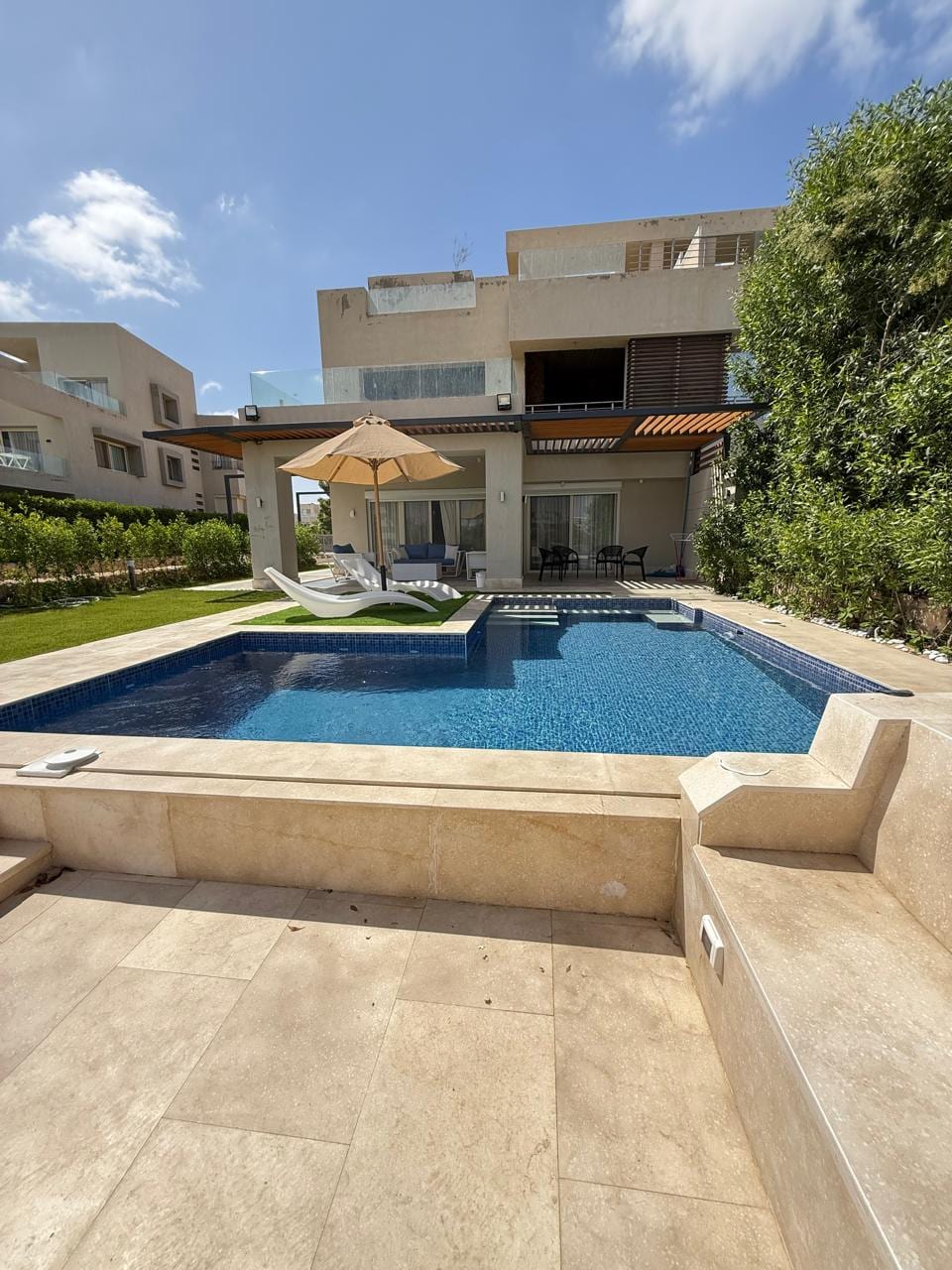 ChaletSenior Golf Chalet with Private Pool — Hacienda Bay3 bedrooms · 3 bathrooms · sleeps 6from EGP 22,000 per night
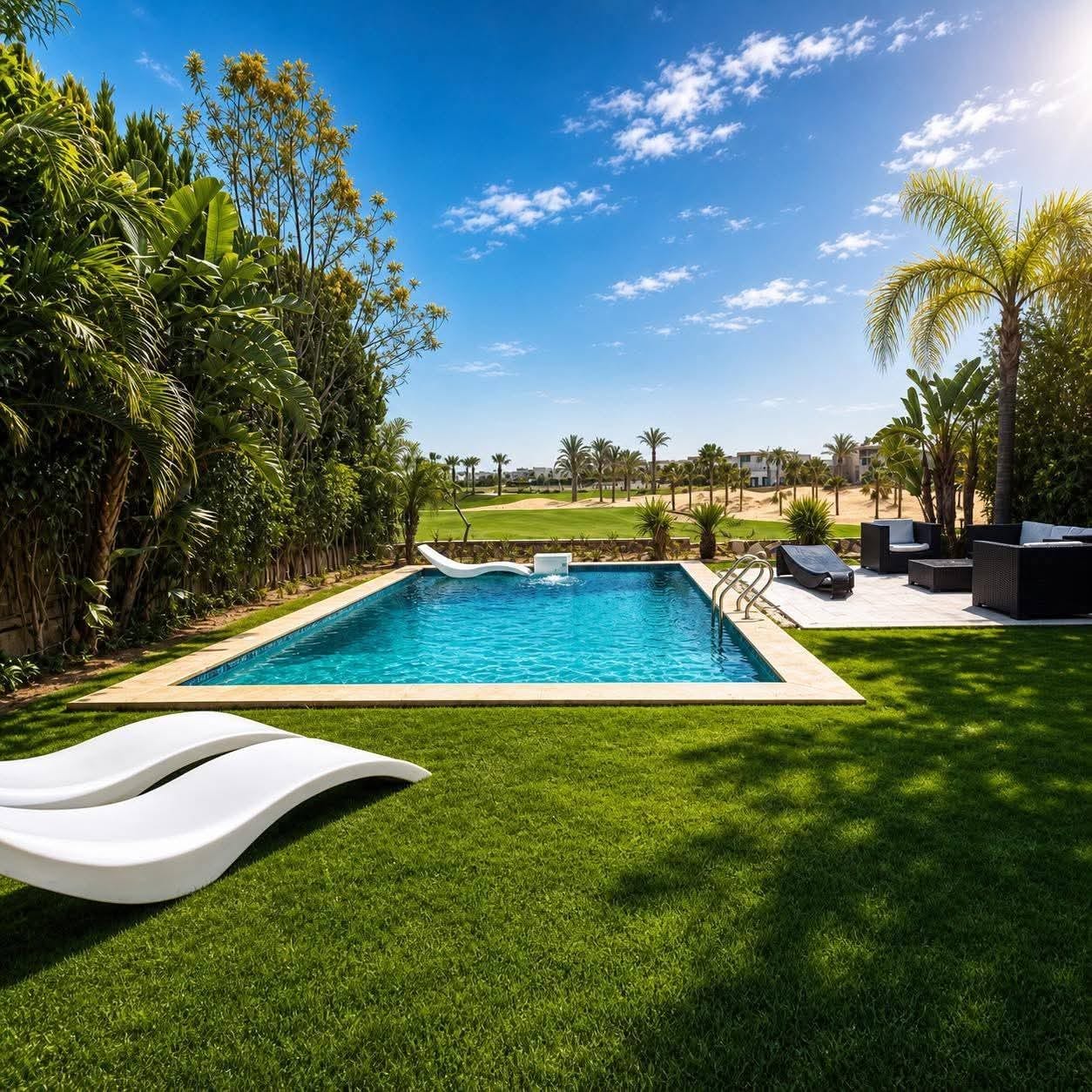 ChaletFirst-Row Golf Chalet with Private Pool — Hacienda Bay3 bedrooms · 3 bathrooms · sleeps 6from EGP 12,000 per night
Questions to ask before you agree a season price
If you do go the traditional route and take a season block directly from an owner, the price is the easy part. These are the things that turn a good number into a bad summer:
- Exactly which nights does this cover — first night and last night, in writing.
- Are utilities included, or metered and settled at the end? Electricity through a coastal summer with the air-conditioning running is not a rounding error.
- Who cleans, how often, and is that inside the price or arranged separately?
- Is there a deposit, how much, what does it cover, and what specifically has to happen for it to come back?
- Is the unit actually blocked for you in the compound's system, or are you relying on a handshake?
- What happens if your plans change — is any part of it refundable, and is that written down anywhere?
The last two are where people get hurt. A season block is a large sum paid far in advance for something you usually have not seen, often with nothing in writing beyond a WhatsApp thread. That is a workable arrangement with someone you know and a genuinely bad one with someone you do not.
Keep reading