Renting in Egypt
What "chalet" means in Egypt — and how it differs from an apartment or a villa
It is not an Alpine cabin. Decoding the words Egyptian listings actually use, and what each one costs you.
HOMESOUT3 min readLast reviewed: 2026-08-26
If you have arrived here from outside Egypt, the word "chalet" is probably doing something unexpected. It does not mean a wooden cabin in the mountains. In Egyptian usage — شاليه — it means a holiday unit inside a coastal or resort compound, and it is by far the most-searched word in the country's short-let market. People do not search for "vacation rental". They search for شاليهات.
Chalet (شاليه)
A chalet is a holiday unit in a resort compound, typically on the North Coast, the Red Sea or the Gulf of Suez. Structurally it is usually an apartment — one or several bedrooms in a low-rise block or a terraced row — but nobody calls it that, because the word describes the purpose rather than the building. A chalet is somewhere you go in summer. An apartment is somewhere you live.
Chalets are normally sold and let furnished, and they come with the compound attached: pools, gates, security, and often a beach or a lagoon you share with everyone else inside. That shared infrastructure is most of what you are paying for, and it is why two chalets with identical floor plans in different compounds are not remotely the same product.
Apartment (شقة)
A شقة is a residential city flat — Cairo, Alexandria, anywhere people actually live year-round. In a rental context the practical difference from a chalet is what you get outside the front door: an apartment sits in a city with its own streets and shops, a chalet sits inside a compound with a gate. For a monthly or working stay you almost always want the apartment; for a summer week with family you almost always want the chalet.
Villa, townhouse and twin house
These three describe houses rather than units, and the distinction between them is purely about how many walls you share:
- Villa (فيلا) — standalone, its own plot on all sides, usually with a garden and often a private pool.
- Twin house (تون هاوس) — two houses joined along one wall, each with its own garden and entrance.
- Townhouse (تاون هاوس) — a house in a terraced row, sharing walls on both sides, still with its own entrance and outdoor space.
All three exist inside compounds alongside chalets, and all three are what you look for when the group is too large for a standard chalet — a townhouse or villa is where the bedroom count and the private outdoor space go up together.
The listing vocabulary that actually decides what you get
Beyond the property type, Egyptian coastal listings use a small set of qualifiers that carry a lot of price. They are worth learning, because they are the difference between two "3-bedroom chalets" at very different rates:
- "First row" — the unit is in the front rank of whatever it faces: the sea, a lagoon, a golf course. It is the single biggest price qualifier on the coast. Always establish first row of WHAT.
- "Senior" — a larger-than-standard layout of the same unit type, usually with more floor area and a bigger garden. It describes size, not seniority of anything.
- "Ground floor" — comes with a private garden or terrace, and matters if you have small children or anyone who would rather not do stairs.
- "Roof" or "penthouse" — the top unit, usually with a private roof terrace, which on the coast is a genuinely different way to use the place in the evening.
- "Private pool" — the unit has its own, as opposed to using the compound's shared pools. In peak summer this is the amenity people regret skipping.
- "Driver's room" or "nanny's room" — a separate staff bedroom with its own bathroom. Standard in larger coastal units and completely normal here; it is not counted in the guest bedroom total.
Chalets and houses we manage
Live listings from our own inventory. Note how many of the qualifiers above show up in the titles — that is the market vocabulary in use, not marketing language we invented.
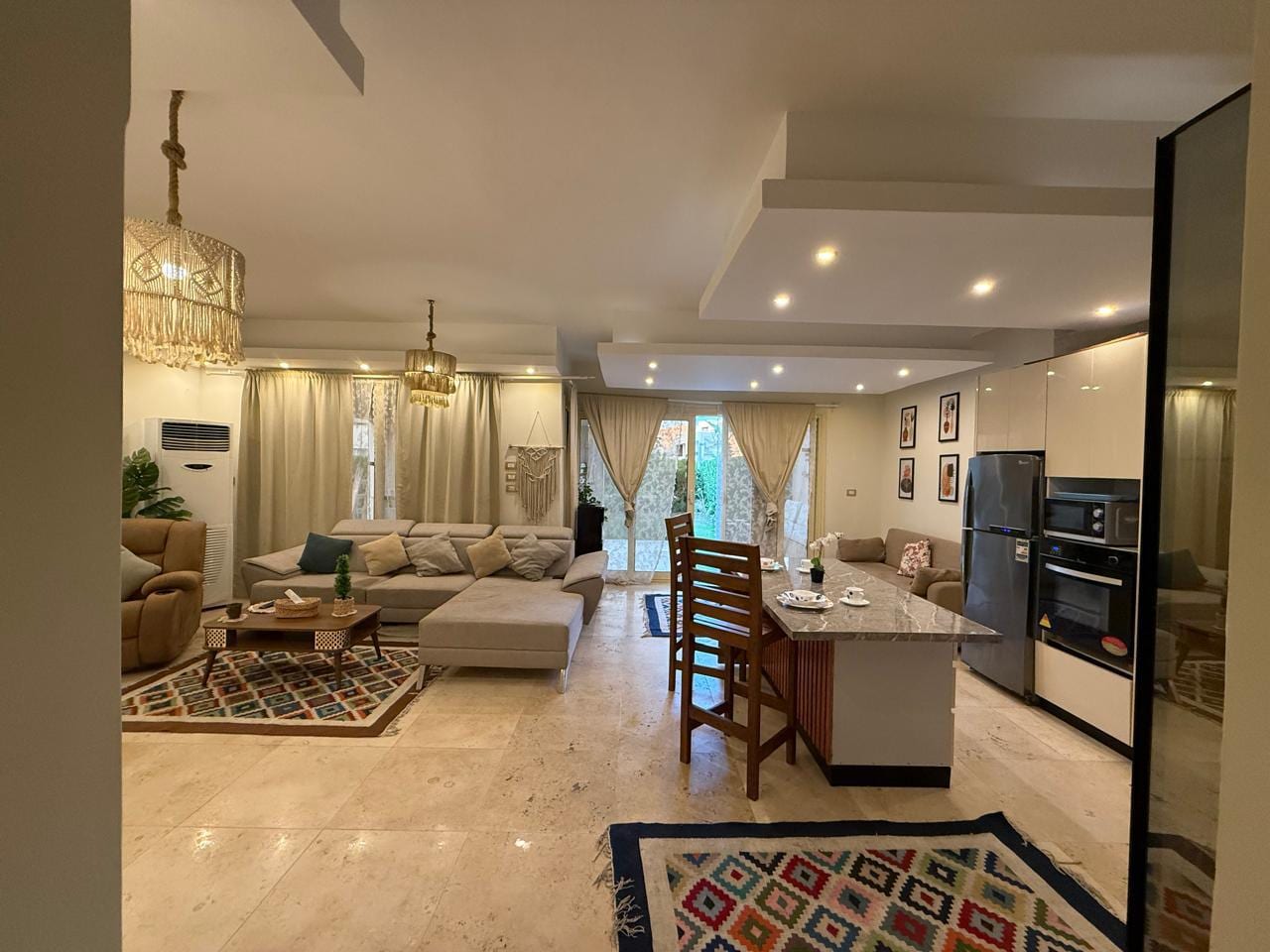 ChaletPoolside Luxury Chalet — Hacienda Bay3 bedrooms · 3 bathrooms · sleeps 6from EGP 14,000 per night
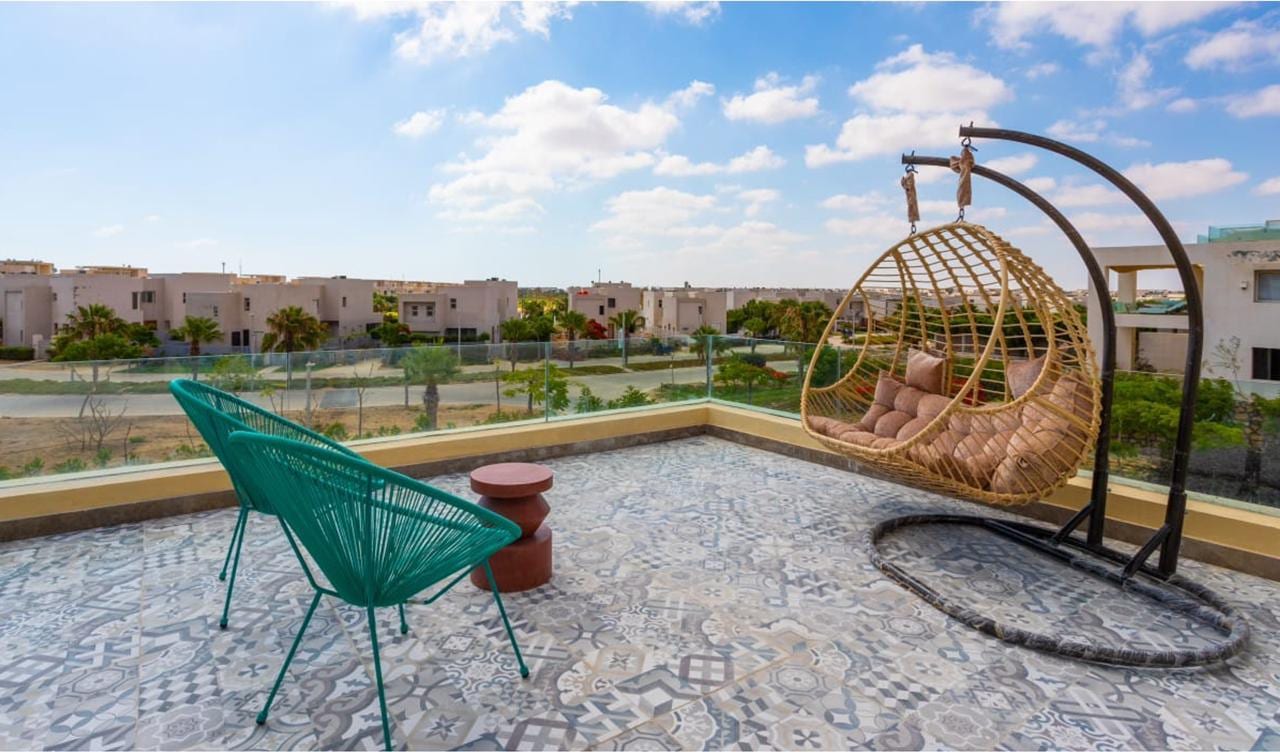 ChaletUpper-Floor Chalet with Penthouse Terrace — Hacienda Bay4 bedrooms · 4 bathrooms · sleeps 8from EGP 15,000 per night
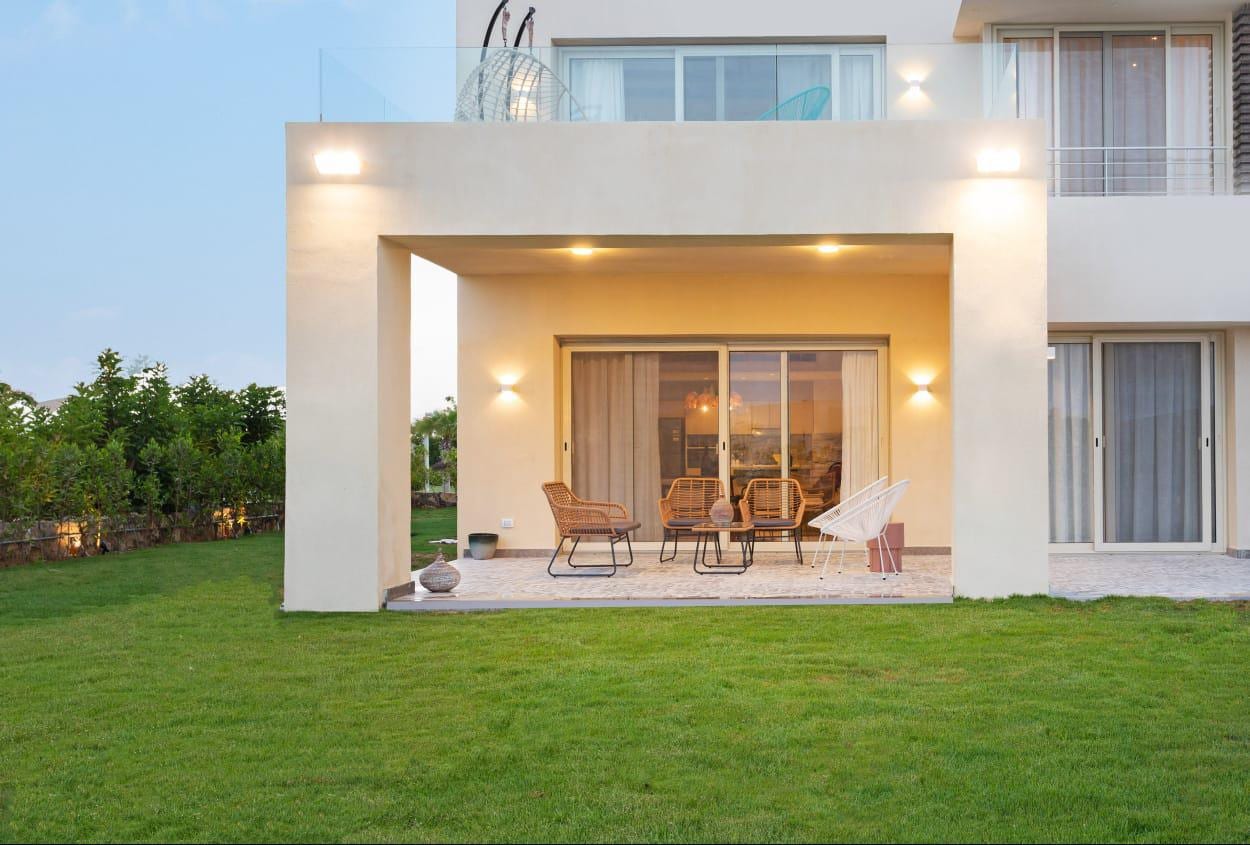 ChaletGround-Floor Senior Chalet — Hacienda Bay3 bedrooms · 3 bathrooms · sleeps 6from EGP 15,000 per night
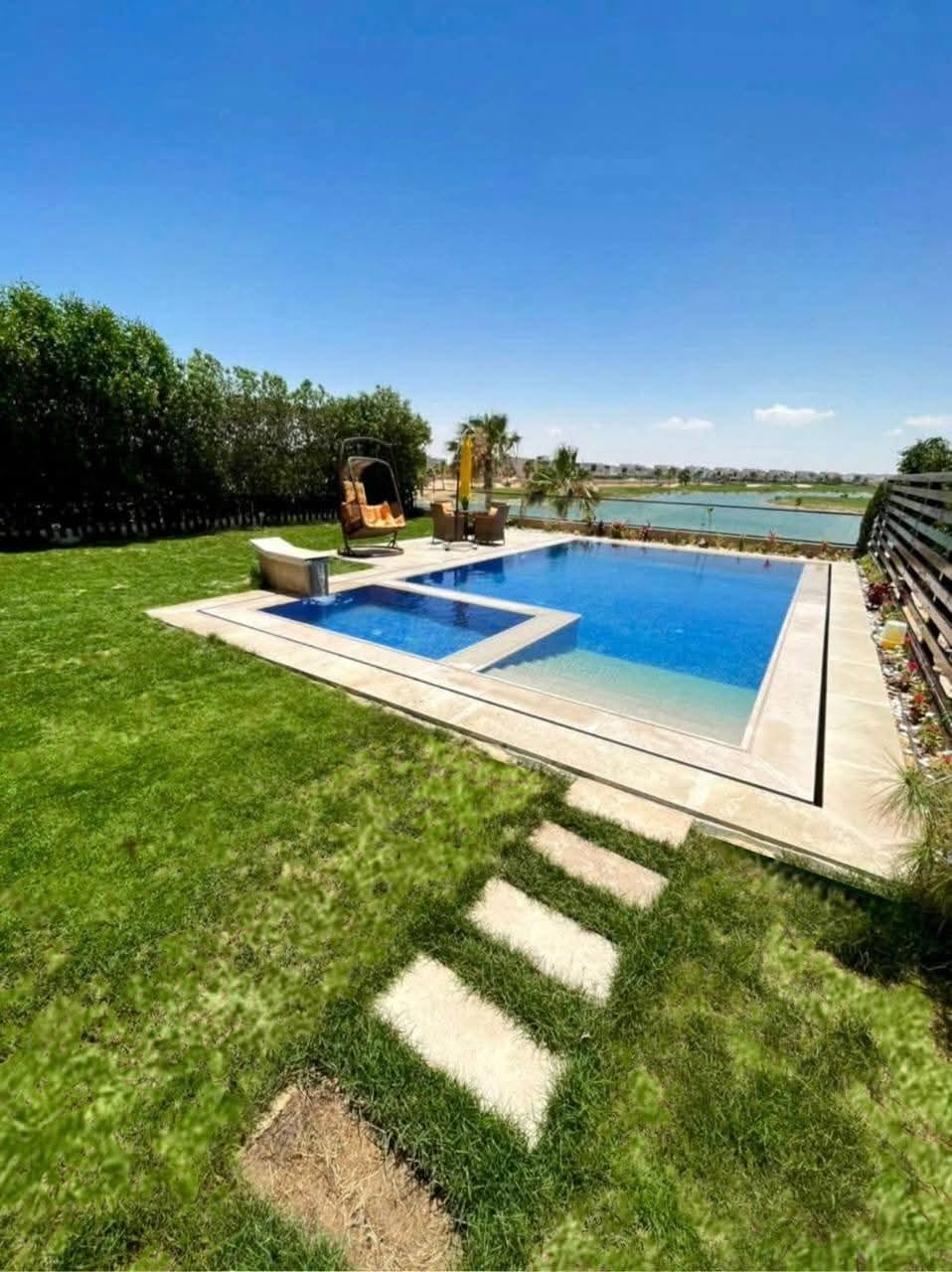 ChaletLakefront Golf Chalet with Private Pool — Hacienda Bay3 bedrooms · 3 bathrooms · sleeps 6from EGP 23,000 per night
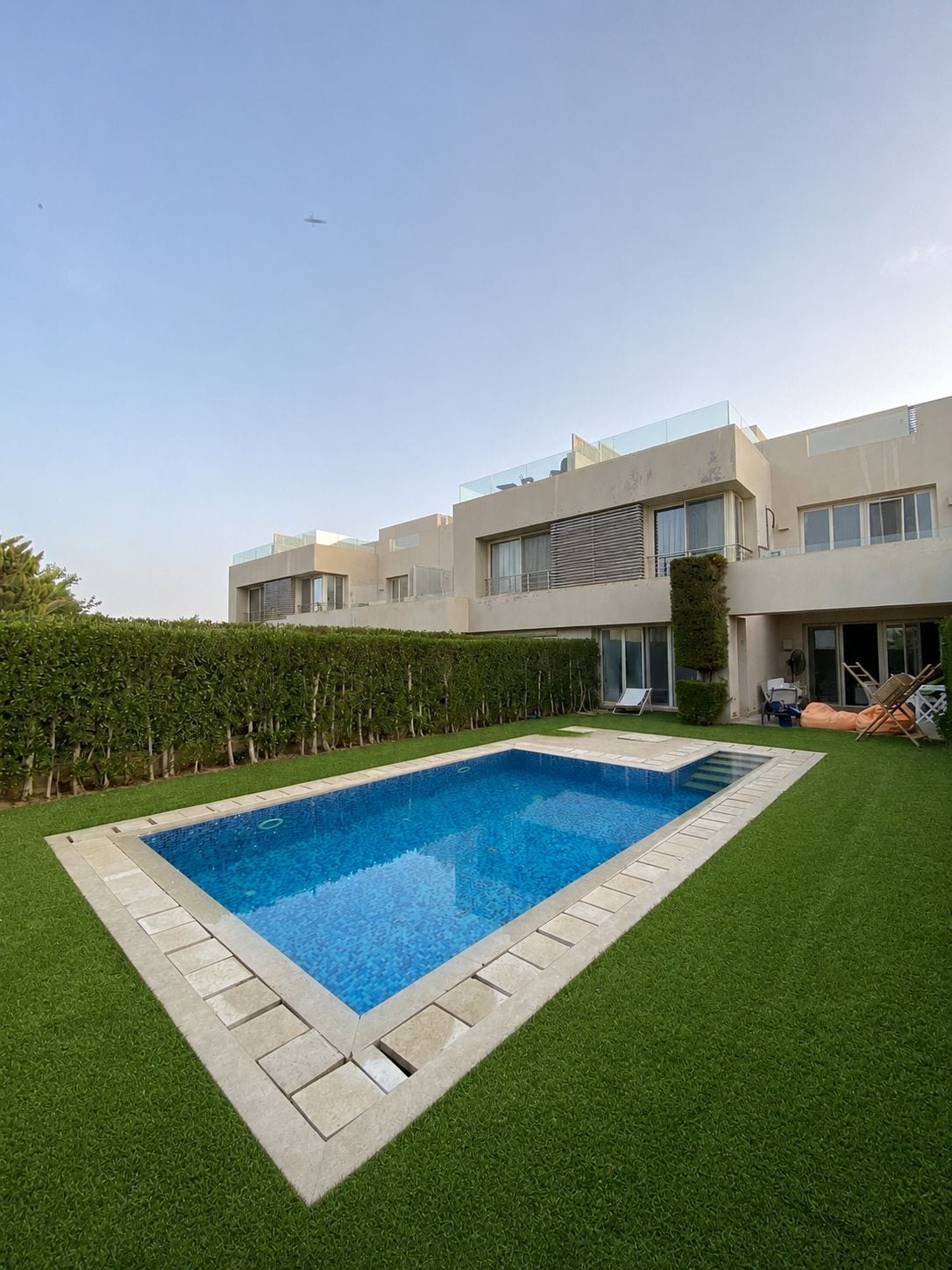 TownhouseFive-Bedroom Townhouse with Private Pool — Hacienda Bay5 bedrooms · 6 bathrooms · sleeps 10from EGP 25,000 per night
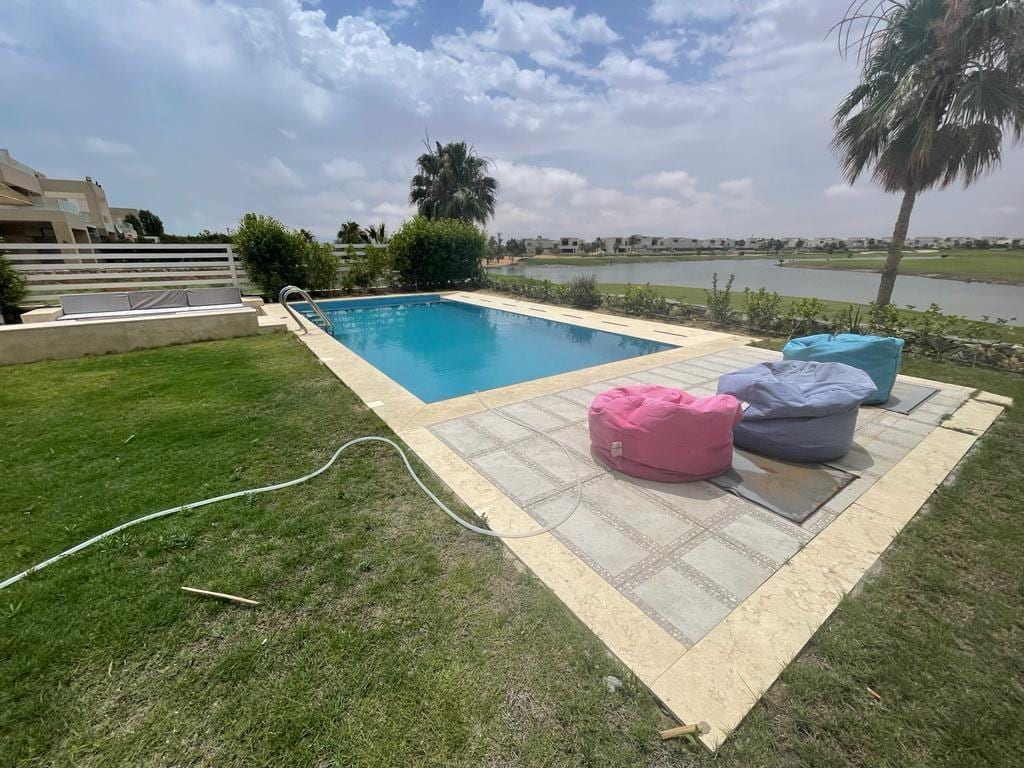 ChaletGolf & Lake View Chalet with Private Pool — Hacienda Bay3 bedrooms · 3 bathrooms · sleeps 6from EGP 23,000 per night
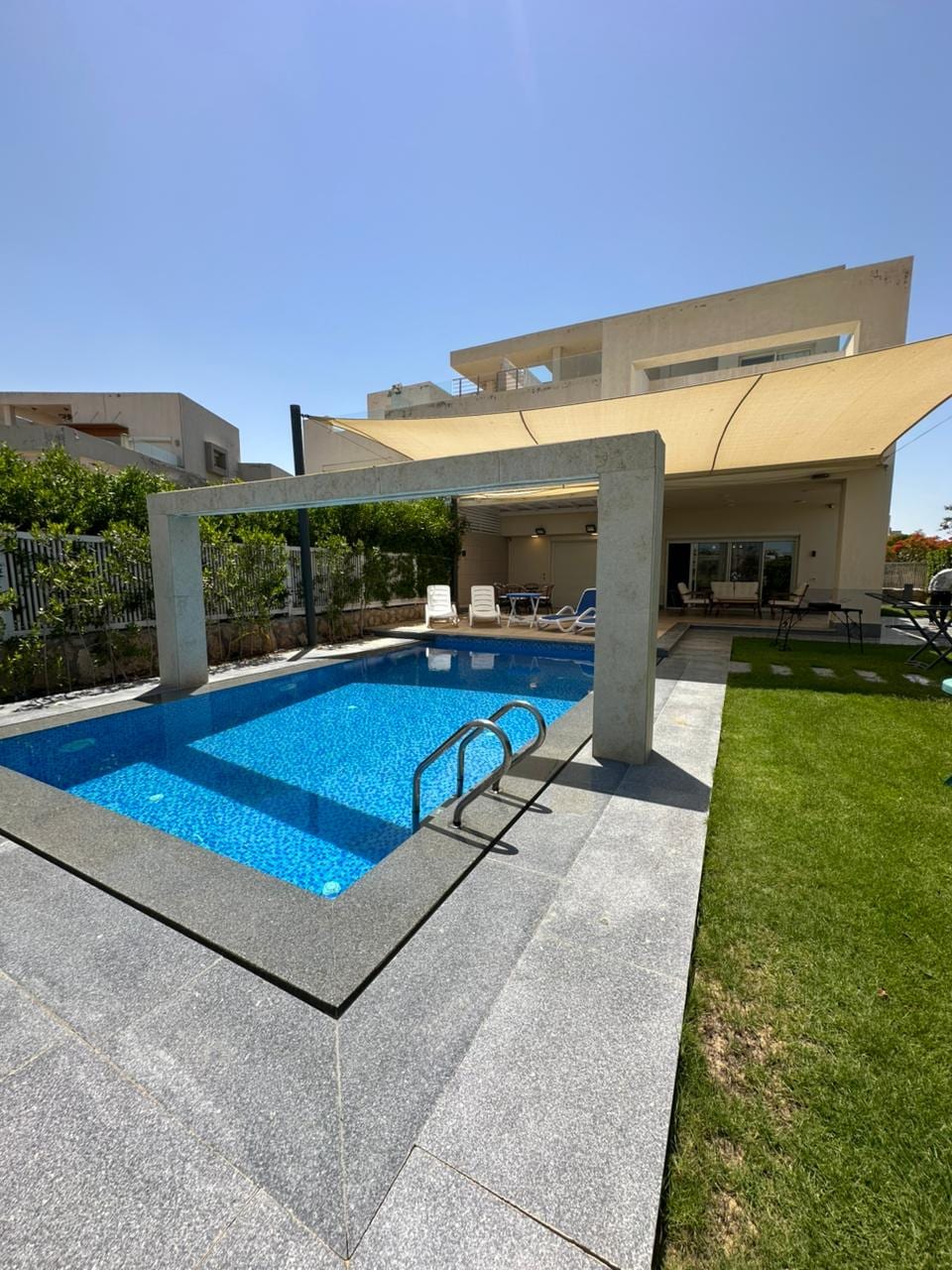 ChaletLuxurious Golf Chalet with Private Pool — Hacienda Bay3 bedrooms · 3 bathrooms · sleeps 6from EGP 22,000 per night
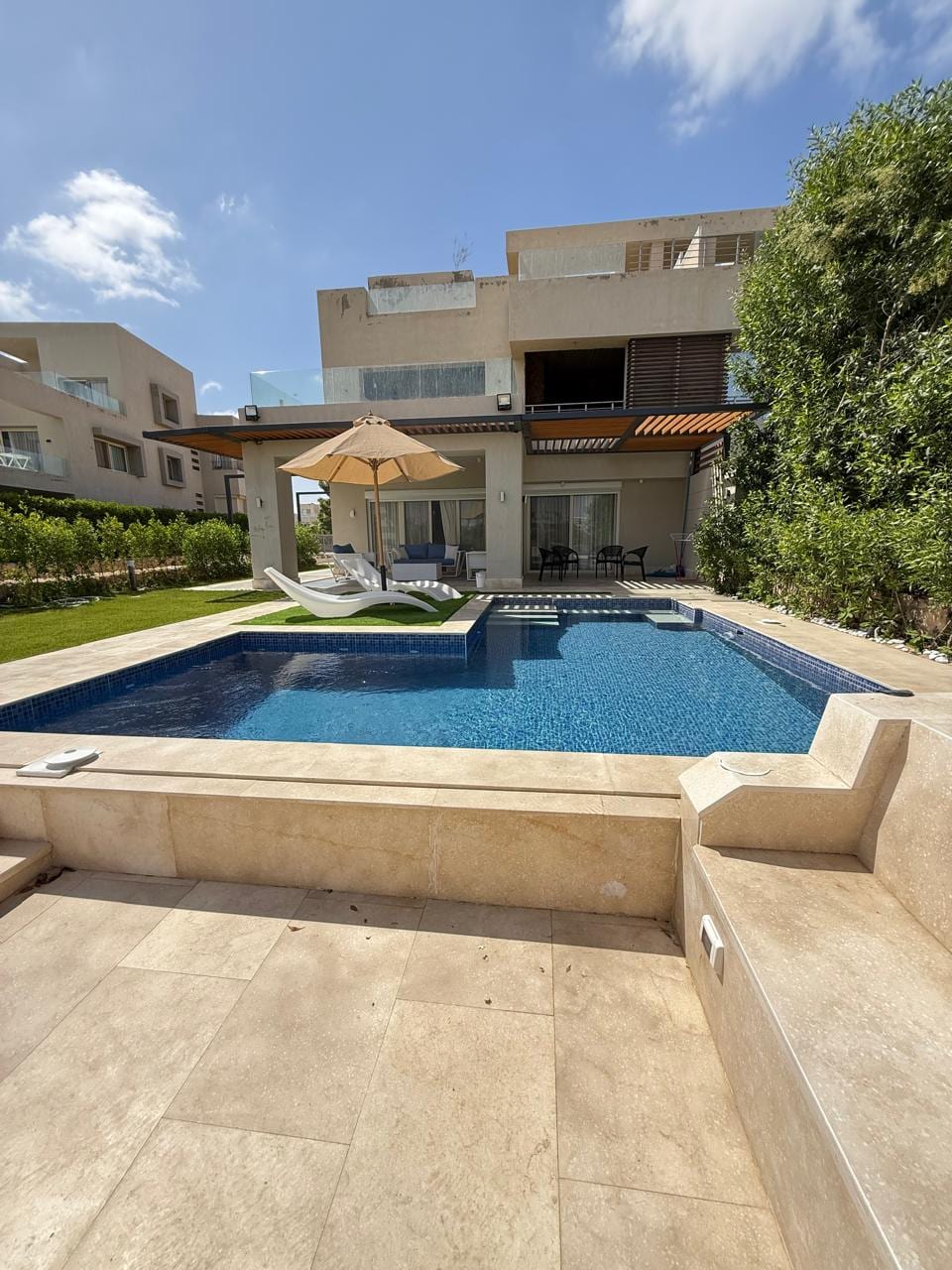 ChaletSenior Golf Chalet with Private Pool — Hacienda Bay3 bedrooms · 3 bathrooms · sleeps 6from EGP 22,000 per night
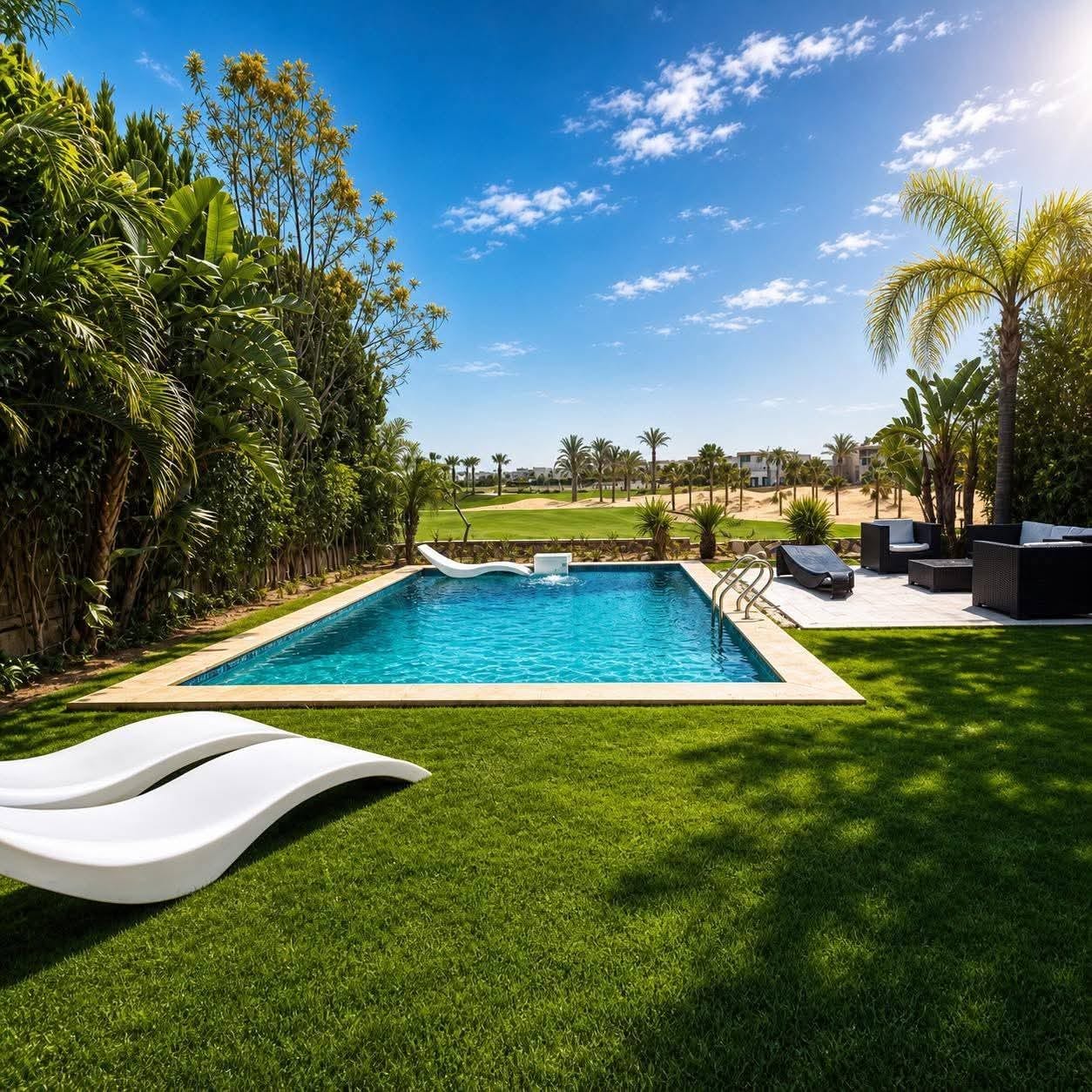 ChaletFirst-Row Golf Chalet with Private Pool — Hacienda Bay3 bedrooms · 3 bathrooms · sleeps 6from EGP 12,000 per night
Keep reading